
Ceramic vs. Porcelain Tile for Bathrooms in Walhalla, SC: What Local Homeowners Should Know About Bathroom Tile Installation
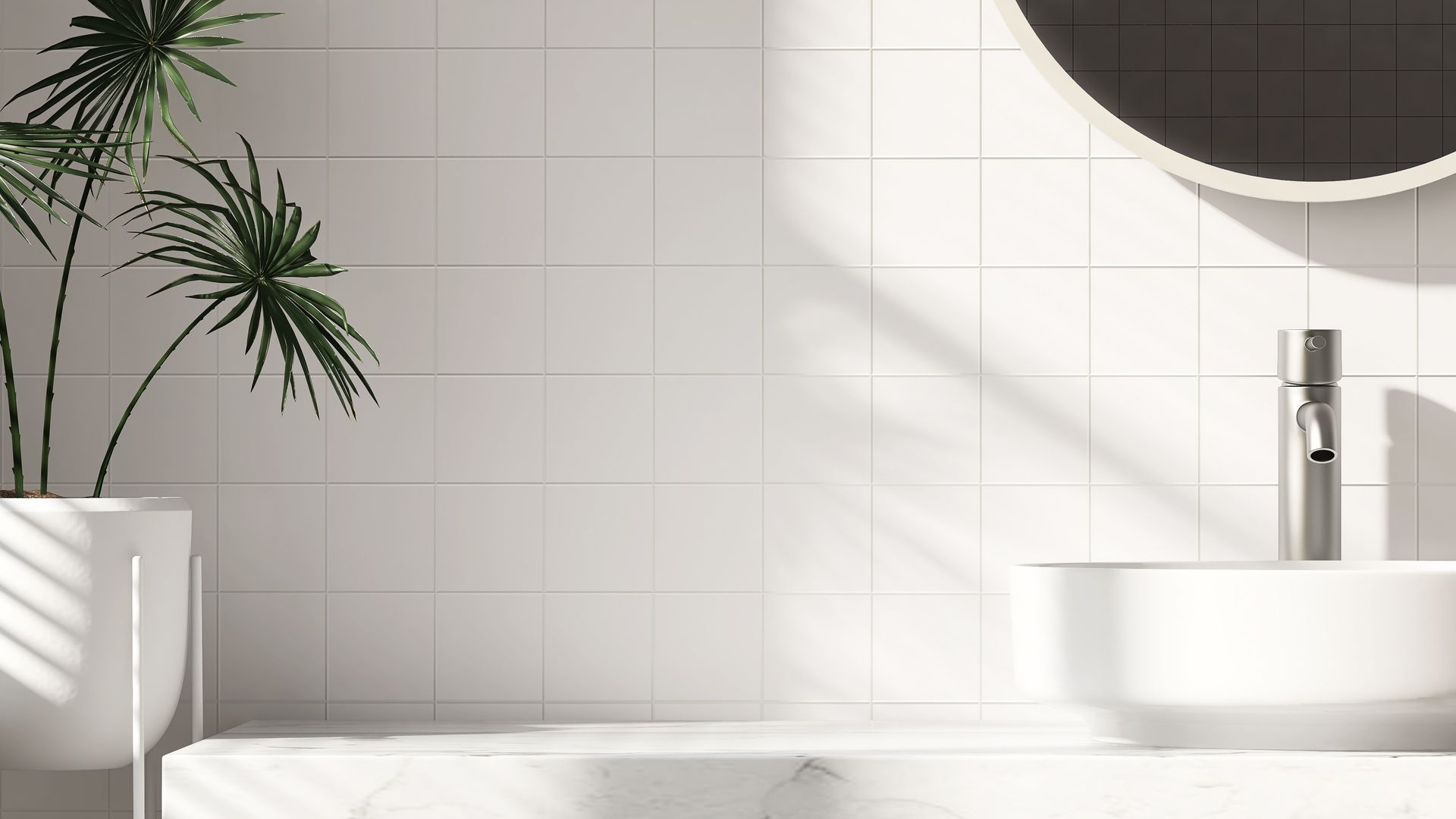
Choosing the right tile material is one of the most important decisions in any bathroom renovation. For homeowners in Walhalla, SC, the choice between ceramic and porcelain comes with a specific set of considerations: an older housing stock, the moisture-heavy climate of the Oconee County foothills, and bathrooms that often have not been updated in decades. Understanding what bathroom tile installation involves before you commit can save time, money, and frustration.
How Ceramic and Porcelain Tile Are Different
Both materials start as clay fired in a kiln, but the similarities stop there. Porcelain is pressed under greater pressure and fired at a higher temperature, producing a dense, vitrified tile body. Ceramic uses a coarser clay blend fired at a lower heat, leaving the finished tile more porous.
Porcelain absorbs less than 0.5% of its weight in water, while ceramic tiles can absorb 3% to 7%. In a daily-use bathroom, that gap adds up over years of shower steam, splashing, and mopping.
Water Resistance and Why It Matters in Oconee County
Water resistance is the most important spec for bathroom tile. Walhalla sits in the Blue Ridge foothills, where higher elevation and a dense tree canopy mean homes retain more moisture than properties in the Lowcountry. Many homes built from the 1960s through the 1980s still have their original bathrooms, which lack the waterproofing membranes now considered standard. That puts extra pressure on the tile itself.
Glazed ceramic can perform well when the glaze is intact. The risk comes when the glaze chips and exposes the porous clay body underneath, creating a surface where mold can develop. Porcelain eliminates that concern because the tile body is essentially waterproof all the way through, not just at the surface.
For shower floors and walls in a primary bathroom with daily use, porcelain typically offers better long-term protection in a humid environment like Walhalla. A professional bathroom tile installation ensures substrate and waterproofing are handled correctly regardless of which material you choose.
Durability and Slip Ratings
Durability is measured using the Porcelain Enamel Institute (PEI) scale, which rates surface hardness from 1 to 5. Most porcelain tiles earn a PEI rating of 4 or 5, making them appropriate for high-traffic floors. Ceramic tiles range from 1 to 4, with lower-rated ceramic best reserved for walls.
Slip resistance is measured using the Dynamic Coefficient of Friction (DCOF). The industry standard for a level interior floor that gets wet is a DCOF of 0.42 or higher. Both ceramic and porcelain can meet that threshold, but slip resistance depends on finish, not material category. A high-gloss tile of either type can be dangerously slick on a shower floor.
What Finish Should You Choose for a Bathroom Floor?
A matte or textured finish is the right choice for any bathroom floor tile. Polished and high-gloss finishes work well on walls and as accent tile, but they become a slip hazard when wet. When reviewing samples, ask to see the DCOF rating alongside the PEI rating before making a final selection.
Where Each Tile Performs Best
Porcelain is the stronger performer for shower floors and walls in a primary bathroom with daily hot-water exposure. Its low water absorption and higher PEI rating hold up well under consistent moisture and cleaning traffic.
Ceramic is a capable choice for decorative accent walls, guest bathroom walls with lighter use, and surfaces where saving on material cost lets the budget go further toward quality bathroom tile installation. Ceramic is also easier to cut, which can reduce labor time on jobs with intricate patterns or custom trim work.
A common approach in older Walhalla-area homes is to use porcelain on shower floors and walls where moisture exposure is highest, and ceramic on lower-risk surfaces where budget flexibility is welcome.
Does Ceramic Work in a Shower at All?
Yes, glazed ceramic with a PEI rating of 3 or higher can perform well on shower walls when the substrate is properly waterproofed. The concern is not routine moisture but chipped glaze that exposes the absorbent tile body to standing water over time. In a primary shower with daily use, porcelain removes that long-term risk.
Weighing the Value of Each Material
Ceramic generally costs less per square foot than porcelain and is typically faster to install. Porcelain carries a higher upfront material cost and requires more effort to cut, which can mean additional labor. Neither fact makes one material objectively better. The right material depends on where the tile is going, how the bathroom is used, and how long the homeowner plans to stay in the property.
For an older Oconee County home with a full primary bathroom renovation, the durability and moisture resistance of porcelain often make it the stronger long-term investment. For a secondary bathroom update on a tighter budget, quality glazed ceramic installed over a proper waterproofing membrane can serve reliably for many years. Discussing these tradeoffs with a contractor experienced in bathroom tile installation in Walhalla, SC, helps homeowners make the right call for their specific situation.
Ready to Plan Your Bathroom Tile Installation in Walhalla, SC?
The right tile material is only part of the project. Proper substrate preparation, waterproofing, and correct mortar selection matter just as much as what goes on the wall. Bryant Remodeling, LLC has served homeowners across the Walhalla, SC, area with tile installation and full bathroom renovations, and the team can help you match the right material to your bathroom conditions and renovation goals.
Visit the bathroom remodeling service page to learn more. To get started with a free estimate, call (864) 723-4919, or contact the team directly. You can also find and review Bryant Remodeling, LLC on Google.





